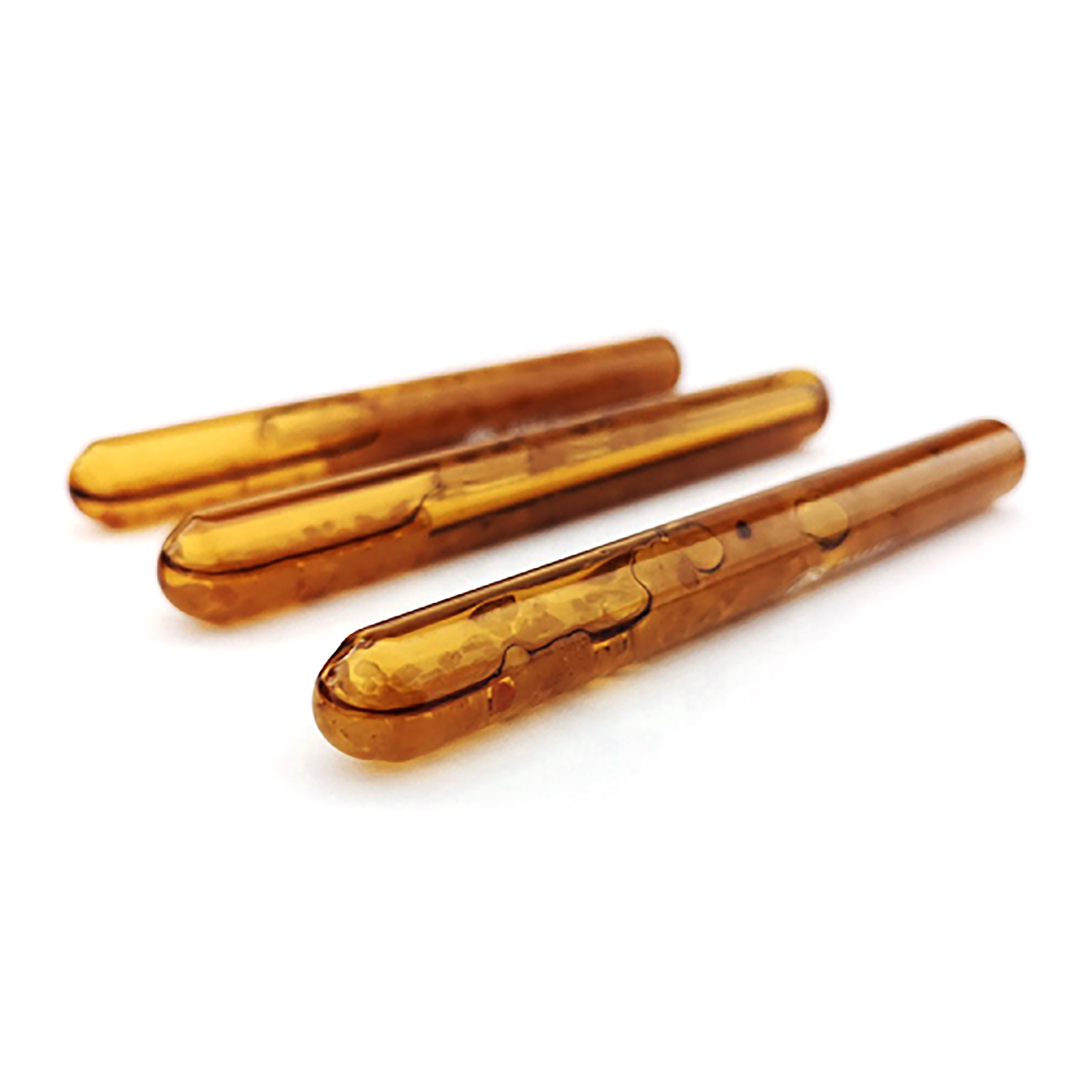
The most fundamental difference between chemical and mechanical Anchors lies in how they achieve their holding power. A mechanical Anchor, such as a Wedge Anchor, relies on mechanical friction and expansion. When the anchor is tightened, an expansion clip or sleeve is forced outward against the wall of the drilled hole, creating radial pressure that generates friction. This friction is what holds the anchor in place. In contrast, a Chemical Anchor does not rely on expansion at all. Instead, it uses a chemical adhesive — typically a vinyl ester or epoxy resin — which is injected into the hole or contained in a glass capsule. The threaded rod is then inserted, and the resin fills the annular gap between the rod and the concrete. Upon curing, the resin forms a strong molecular bond with both the steel rod and the concrete substrate, creating a unified composite structure. In a chemical anchor, the load is transferred evenly along the entire embedment depth through this adhesive bond, whereas in a mechanical anchor, the load is concentrated at the point of expansion.
One of the most critical differences between the two systems is the presence or absence of expansion stress on the base material. Mechanical anchors, by their very design, create significant radial expansion forces within the concrete during installation. These forces can cause the concrete to crack, particularly when the anchor is placed close to the edge of the concrete member or when anchors are installed with insufficient spacing between them. For this reason, mechanical anchors generally require larger minimum edge distances and greater spacing between anchors. Chemical anchors, on the other hand, are completely stress-free. Because they rely on adhesion rather than expansion, they exert no outward pressure on the surrounding concrete. This makes them the ideal choice for applications involving thin concrete sections, small edge distances, or tight spacing requirements where the risk of concrete splitting must be minimized.
The performance of each anchor type is also affected differently by the presence of moisture. Mechanical anchors perform poorly in wet holes. Water acts as a lubricant, reducing the friction between the expansion clip and the concrete surface, which can significantly lower the anchor’s load capacity. For this reason, mechanical anchors are generally not recommended for use in water-filled holes or consistently wet environments. Chemical anchors, in contrast, can perform very well in wet or even submerged holes, provided that the appropriate resin is used.