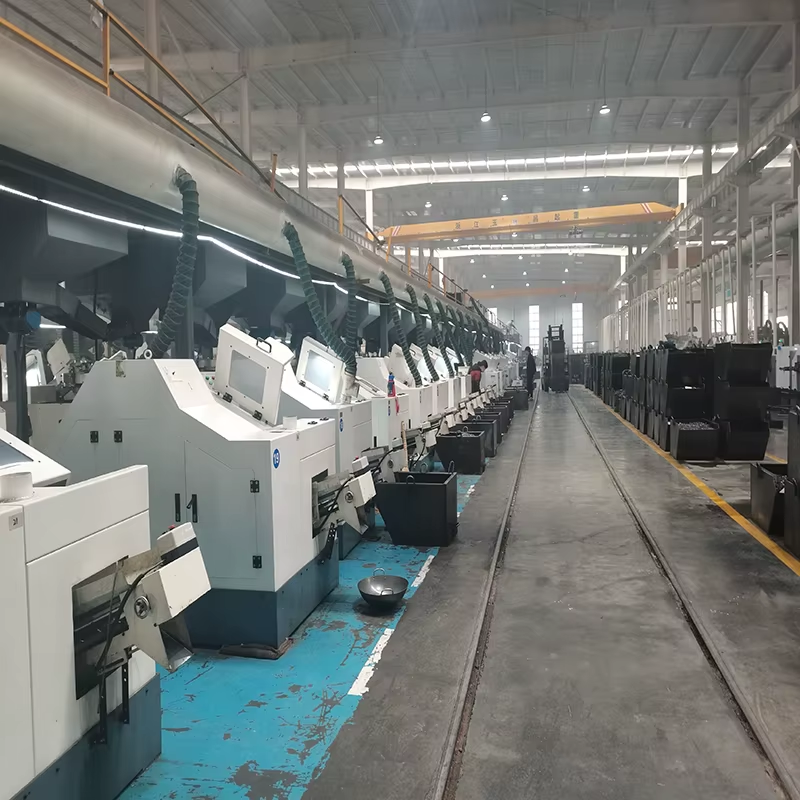
When purchasing fix bolts for construction and engineering projects, price is only one part of the decision.
The material, dimensional accuracy, surface treatment, thread quality, and installation performance of a fix bolt can all affect the final quality of a fastening connection.
For international buyers, choosing a reliable 3PCS/4PCS FIX BOLT supplier is therefore not simply about finding the lowest price. It is about achieving consistent performance from one batch to the next.
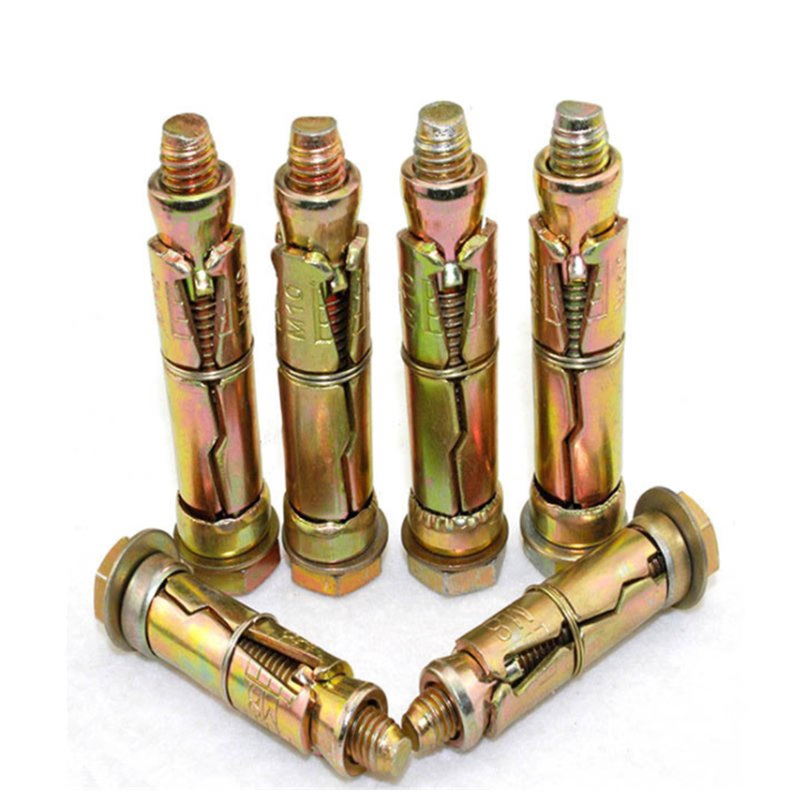
1. Material Quality Comes First
A fix bolt transfers load through its steel body and expansion components. If the steel properties are inconsistent, the actual performance of the anchor may differ from the expected design performance.
For example, ASTM F1554 specifies different mechanical property requirements for Grade 36, Grade 55 and Grade 105 anchor rods. ASTM A307 Grade A, by comparison, specifies a minimum ultimate tensile strength of 60 ksi.
This is why buyers should ask suppliers for clear material specifications instead of accepting general descriptions such as “high-quality steel” or “industrial grade.”
For a fix bolt, the key points to check include:
- Steel grade and mechanical properties
- Material consistency between batches
- Thread accuracy
- Nut and washer compatibility
- Surface treatment and corrosion protection
Clear material specifications help engineers and purchasers better control the quality of the complete fastening system.
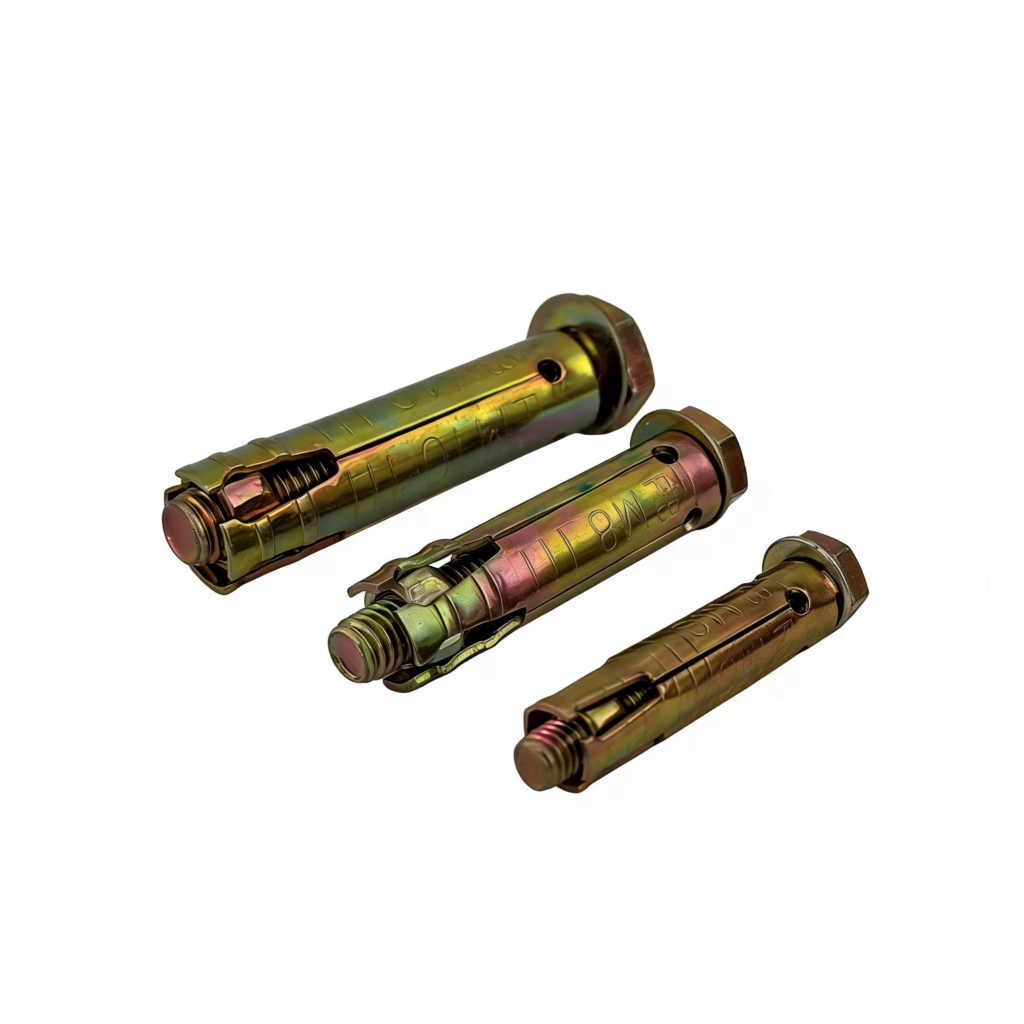
2. Dimensional Accuracy Affects Installation
A fix bolt may look simple, but small dimensional differences can create problems during installation.
Important dimensions include:
- Bolt diameter
- Bolt length
- Thread length
- Expansion sleeve dimensions
- Washer and nut dimensions
- Effective embedment depth
The relationship between the anchor and the drilled hole is especially important.
For example, published technical data for one common expansion anchor system specify different minimum embedment depths and installation torques for different diameters. In the same product range, installation torque can range from 27 Nm for a 3/8-inch anchor to 149 Nm for a 3/4-inch anchor. These values are product-specific, but they demonstrate why installation parameters should not be treated as “one size fits all.”
For buyers, this means dimensional consistency is not only a manufacturing issue. It directly affects installation consistency on the jobsite.
3. Installation Torque Should Be Consistent
Torque is another important factor that is sometimes overlooked when purchasing fix bolts.
For expansion-type anchors, tightening the nut creates the force required to activate the expansion mechanism. If the torque is too low, the anchor may not develop the intended expansion force. If it is too high, excessive stress may be introduced into the fastening system.
Engineering guidance also shows that correct installation torque helps distribute loads more consistently, particularly when several anchors are used together.
Therefore, a good fix bolt supplier should be able to provide clear installation recommendations for each specification rather than simply supplying the hardware.
4. Surface Treatment Matters in Real Projects
Construction fasteners are often exposed to moisture, humidity, outdoor environments, or corrosive conditions.
Zinc plating is commonly used to improve corrosion resistance for carbon steel fasteners. As one industry example, a published expansion anchor specification uses carbon steel with electroplated zinc and a minimum plating thickness of 5 μm.
However, coating requirements should always be selected according to the actual project environment.
For standard indoor construction, electroplated zinc may be suitable for many applications. For outdoor, coastal, or highly corrosive environments, buyers may need to consider different materials or coating systems.
The important point is to define the required coating or material specification before production.
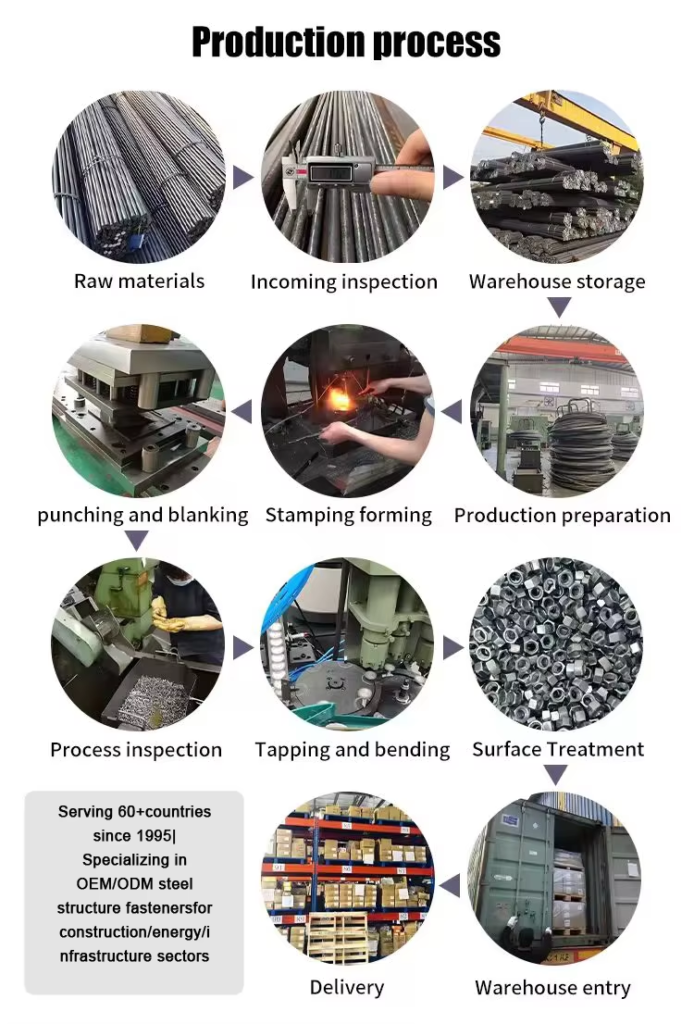
5. Quality Control Is More Than Appearance
A professional fix bolt should be checked at several stages of production.
For example:
Raw Material → Forming → Threading → Expansion Component → Surface Treatment → Assembly → Final Inspection → Packing
Key inspection points can include:
- Material verification
- Diameter and length inspection
- Thread gauge inspection
- Component matching
- Coating inspection
- Assembly inspection
- Packaging and quantity control
This process helps reduce variation between batches and gives international buyers greater confidence when placing repeat orders.
What Should Buyers Ask Before Ordering?
Before purchasing 3PCS/4PCS FIX BOLT in large quantities, we recommend checking five basic points with your supplier:
- What material and grade is used?
- What are the dimensional tolerances?
- What surface treatment is available?
- What are the recommended installation parameters?
- How is batch quality controlled before shipment?
These questions are simple, but they can help prevent many quality problems before the products arrive at the jobsite.
3PCS/4PCS FIX BOLT from Guhe Hardware
At Handan Guhe Hardware Products Co., Ltd., we focus on supplying reliable fastening products for international construction and hardware markets.
Our 3PCS/4PCS FIX BOLT is produced with attention to material selection, dimensional consistency, thread quality, component matching, and surface treatment.
For overseas distributors, importers, and construction hardware buyers, consistent quality is often more valuable than a low price on a single order.
We aim to provide stable products, clear specifications, and dependable supply for long-term cooperation.
Looking for a reliable 3PCS/4PCS FIX BOLT supplier?
Visit guhefastener.com to learn more about our products and contact our team for specifications and quotations.